ABOUT SIKKIM
Sikkim is a small but stunning state located in the northeastern part of India, nestled in the lap of the eastern Himalayas. It is known for its breathtaking landscapes, rich cultural heritage, and unique biodiversity. Despite its small size, Sikkim is one of India's most enchanting and diverse states, attracting tourists from around the world. Here’s an overview of what makes Sikkim so special:
Geography and Location
Area: Sikkim is India’s second-smallest state, covering an area of around 7,096 square kilometers.
Capital: Gangtok, the capital city, serves as the gateway to the state and is perched at an altitude of 1,650 meters (5,410 feet) above sea level.
Borders: Sikkim shares international borders with China (Tibet), Nepal, and Bhutan, making it a key location in the northeastern frontier of India.
Climate
Temperate Climate: Sikkim experiences a temperate climate, which varies depending on the altitude. The lower regions are warmer, while the higher altitudes experience cooler and more temperate conditions.
Winter (October to February): Winter temperatures can drop well below freezing in the higher altitudes, with heavy snowfall in places like Yumthang Valley and Nathula Pass.
Summer (March to June): Summers are mild, making it a perfect escape from the heat of the plains. The temperatures range between 10°C to 25°C.
Monsoon (June to September): The monsoon brings heavy rainfall, and this period is best avoided for outdoor activities due to the risk of landslides.
Cultural Heritage
Ethnic Diversity: Sikkim is a melting pot of various ethnic groups, including Nepali, Bhutia, Lepcha, and Tibetan communities. This diversity is reflected in the state's traditions, language, food, and festivals.
Languages: The official language is Nepali, but other languages like Lepcha, Bhutia, and Tibetan are spoken, especially in rural areas.
Religion: The majority of Sikkim’s population practices Hinduism (particularly among Nepali-speaking communities), followed by Buddhism (common among Bhutia and Lepcha people). There are also small populations of Christians and Jains.
Tourist Attractions and Sightseeing
 Gangtok
|
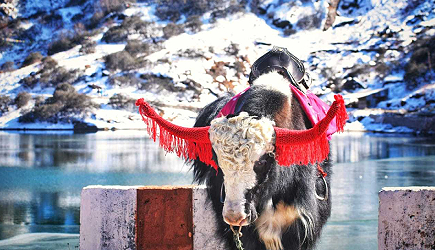 Tsomgo Lake (Changu Lake) |
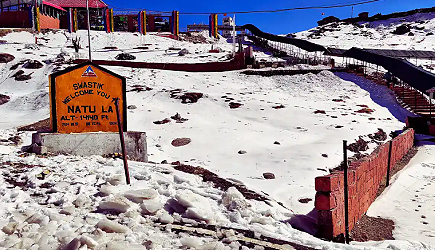 Nathula Pass |
 Yumthang Valley |
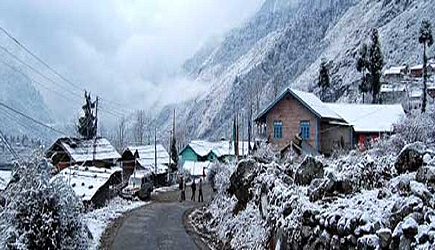 Lachung and Lachen |
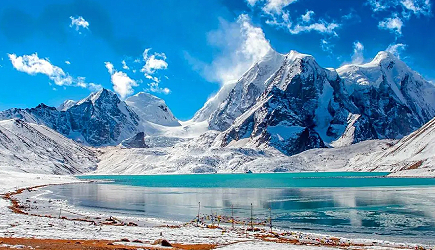 Gurudongmar Lake |
 Singalila National Park |
 Pelling
|
Adventure Activities
Trekking: Sikkim offers numerous trekking opportunities for adventure enthusiasts. Some popular treks include:
Goecha La Trek: A challenging trek that leads to the Goecha La Pass with panoramic views of the Kanchenjunga.
Singalila Ridge Trek: A trek along the border with Nepal, offering spectacular views of the Himalayas.
Yumthang Valley and Chopta Valley Trek: Shorter treks through beautiful landscapes of meadows, forests, and lakes.
Paragliding: Gangtok and other hill stations like Pelling and Ravangla are also popular for paragliding, offering a thrilling aerial view of the mountains and valleys.
Mountain Biking: The rugged terrain of Sikkim offers excellent opportunities for mountain biking, with trails passing through forests, villages, and high-altitude landscapes.
Whitewater Rafting: Sikkim's rivers, especially the Teesta and Rangit, offer thrilling whitewater rafting experiences.
Cuisine
Momos: These Tibetan-style dumplings are a popular snack throughout Sikkim, filled with either meat or vegetables and often served with a spicy dipping sauce.
Thukpa: A hearty noodle soup, often served with vegetables, meat, or chicken.
Phagshapa: A traditional dish made with pork, radish, and chilies.
Sel Roti: A sweet, ring-shaped rice doughnut, typically made during festivals.
Chhang: A traditional drink made from fermented barley or millet, often served in Sikkimese households.
Biodiversity and Environment
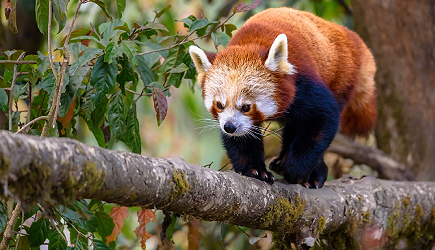
Sikkim is one of the most biologically diverse states in India, with numerous species of flora and fauna, many of which are endemic to the region. It is home to a variety of national parks and sanctuaries that preserve the region's rich ecosystem, including rare species like the red panda, Himalayan black bear, and snow leopard.
Permits and Travel Tips
Sikkim is a protected area, and some regions, especially near the border with China, require permits. Travelers must obtain an Inner Line Permit (ILP) for certain areas, such as Nathula Pass, Zuluk, and North Sikkim.
The best time to visit Sikkim is from March to June (spring and summer) and from September to December (autumn and early winter), when the weather is pleasant and the skies are clear.
Conclusion
Sikkim is a destination that offers a unique combination of natural beauty, cultural diversity, adventure, and spirituality. Whether you're a nature lover, an adventure seeker, or someone looking to immerse yourself in a rich cultural experience, Sikkim provides an unforgettable journey through its snow-capped mountains, serene lakes, lush valleys, and tranquil monasteries.
Experience the Magic Through Our Guests' Eyes!