ABOUT DARJEELING:
Darjeeling is a scenic hill station in the Indian state of West Bengal, located in the northeastern part of India, nestled in the foothills of the Eastern Himalayas. Known for its stunning views, cool climate, and tea plantations, Darjeeling is often referred to as the "Queen of the Hills." Here's a bit more about this charming town:
Geography and Climate
Altitude: Darjeeling is situated at an elevation of around 2,050 meters (6,700 feet) above sea level.
Climate: The town experiences a temperate climate, with mild summers and cold winters. Summers are typically cool, with temperatures ranging from 10°C to 20°C (50°F to 68°F), while winters can be chilly, sometimes dropping to freezing levels, especially in December and January. The region also receives a significant amount of rainfall, particularly during the monsoon season (June to September).
Historical Significance
Colonial Era: Darjeeling's history is closely linked to British colonial rule. The British discovered the region in the early 19th century and developed it as a summer retreat to escape the heat of the plains. They built the iconic Darjeeling Himalayan Railway (also known as the Toy Train), which is a UNESCO World Heritage Site today.
Tea Plantations: The British also introduced tea cultivation to Darjeeling in the mid-1800s, which has since become one of the region's defining characteristics. Darjeeling tea is known for its distinctive aroma and delicate flavor.
Culture and People
Ethnic Diversity: Darjeeling is a melting pot of cultures, with a population consisting of Nepalis, Bengalis, Tibetans, and other ethnic groups. The town has a unique blend of Nepali, Tibetan, and British influences, which is evident in its cuisine, architecture, and festivals.
Language: The main language spoken in Darjeeling is Nepali, although Bengali, Hindi, and English are also commonly understood. Tibetan is spoken by some of the local communities as well.
Festivals: The region celebrates a variety of festivals, including Dashain (a Hindu festival), Tihar (also known as Diwali in Nepal), and Lhosar (Nepali New Year). Tibetan festivals like Losar (Tibetan New Year) are also celebrated with much enthusiasm.
Tea Industry
Darjeeling is famous for its Darjeeling tea, often called the "Champagne of teas." The region’s cool, misty climate and rich soil create the perfect conditions for producing high-quality tea, which is exported worldwide.
The tea-growing regions around Darjeeling are divided into several estates, including the Margaret’s Hope, Glenburn, and Castleton Tea Estate. Visitors can tour these estates, learn about tea production, and sample different varieties of Darjeeling tea.
Transportation
By Road: Darjeeling is connected to the rest of India by road, and it can be reached via Siliguri, which is the nearest major town and transportation hub.
By Train: The Darjeeling Himalayan Railway provides a unique and historic train ride from New Jalpaiguri to Darjeeling.
By Air: The nearest airport is Bagdogra Airport, about 70 kilometers away, and from there, taxis and buses are available to reach Darjeeling.
Local Cuisine
The food in Darjeeling is a mix of Indian, Nepali, and Tibetan influences. Momos (dumplings), thukpa (noodle soup), and sel roti (a traditional Nepali doughnut) are popular. Darjeeling is also known for its fresh local fruits, especially apples, which grow in the region's cooler climate.
The town has a vibrant street food culture, with local markets offering a variety of snacks like samosas, chowmein, and chana masala.
Challenges
Darjeeling has seen political unrest over the years, especially regarding the demand for a separate state of Gorkhaland. The movement has been marked by protests and strikes, though peace efforts have been ongoing.
The rapid growth of tourism, combined with environmental concerns, has put pressure on the town’s infrastructure, including roads, water supply, and waste management.
In summary, Darjeeling is a place where nature, culture, and history come together. Whether you’re there for a quiet retreat in the hills, to savor the famous tea, or to explore the stunning landscapes and rich heritage, Darjeeling offers something for everyone.
DARJEELING SIGHT SEEING
Darjeeling is packed with incredible sightseeing spots, offering a unique blend of natural beauty, colonial architecture, and cultural landmarks. Here's a guide to some of the best places to visit and things to do in and around Darjeeling:
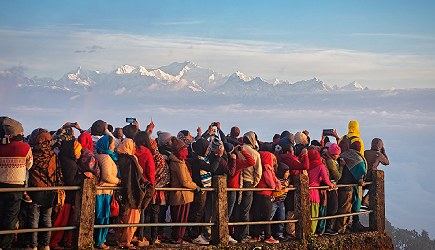 Tiger Hill |
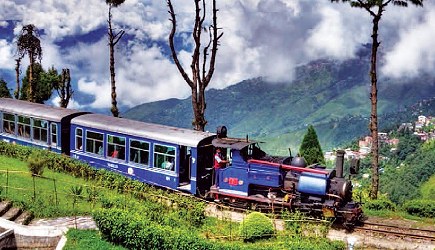 Darjeeling Himalayan Railway (Toy Train) |
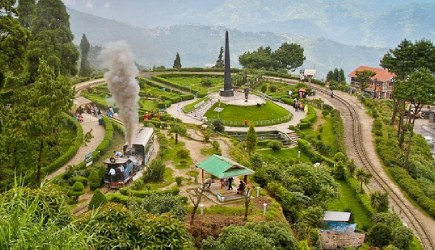 Batasia Loop |
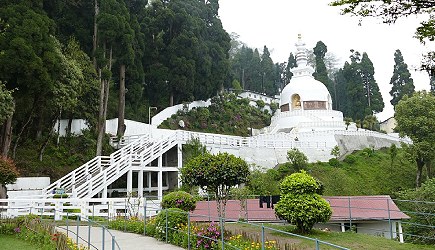 Peace Pagoda |
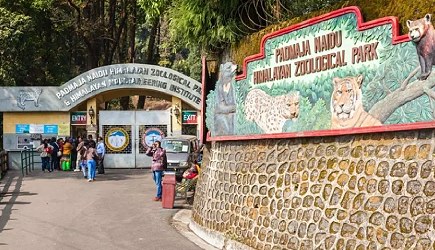 Padmaja Naidu Himalayan Zoological Park |
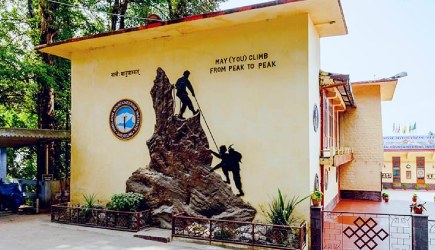 Himalayan Mountaineering Institute (HMI) |
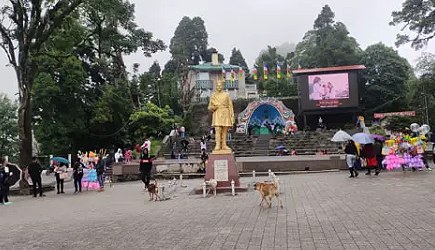 Darjeeling Mall Road |
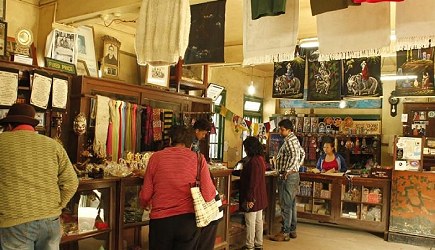 Tibetan Refugee Self-Help Centre |
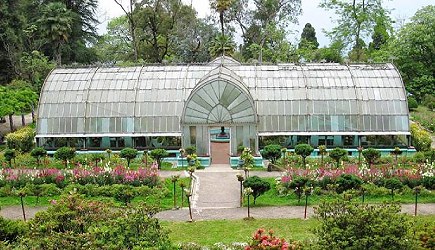 Botanical Gardens |
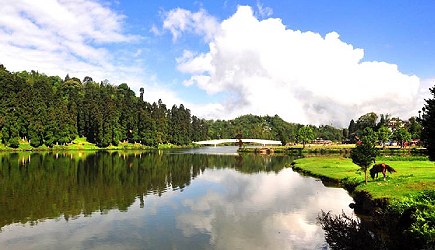 Mirik |
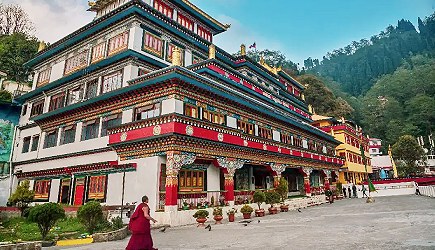 Dali Monastery
|
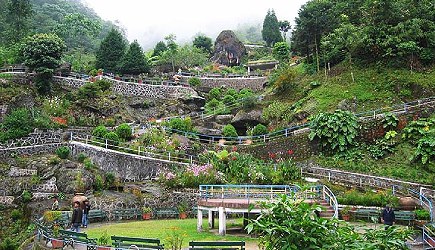 Rock Garden and Ganga Maya Park |
Tips for Sightseeing in Darjeeling:
Weather: The weather in Darjeeling can be unpredictable, so it’s always a good idea to carry a light jacket, an umbrella, and comfortable walking shoes.
Transport: Darjeeling is best explored on foot, especially in areas like Mall Road and Chowrasta. However, taxis are available for longer trips.
Altitude: Since Darjeeling is located at a high altitude, you may experience mild altitude sickness. It's advisable to take it slow on your first day to acclimatize.
Shopping: Don’t forget to shop for locally-made products like woollens, Tibetan handicrafts, and Darjeeling tea.
With so many options for sightseeing, Darjeeling is a perfect blend of nature, culture, and history, making it a must-visit destination for travellers.
Experience the Magic Through Our Guests' Eyes!